Walter Koenig Set the Path for the Future of Star Trek
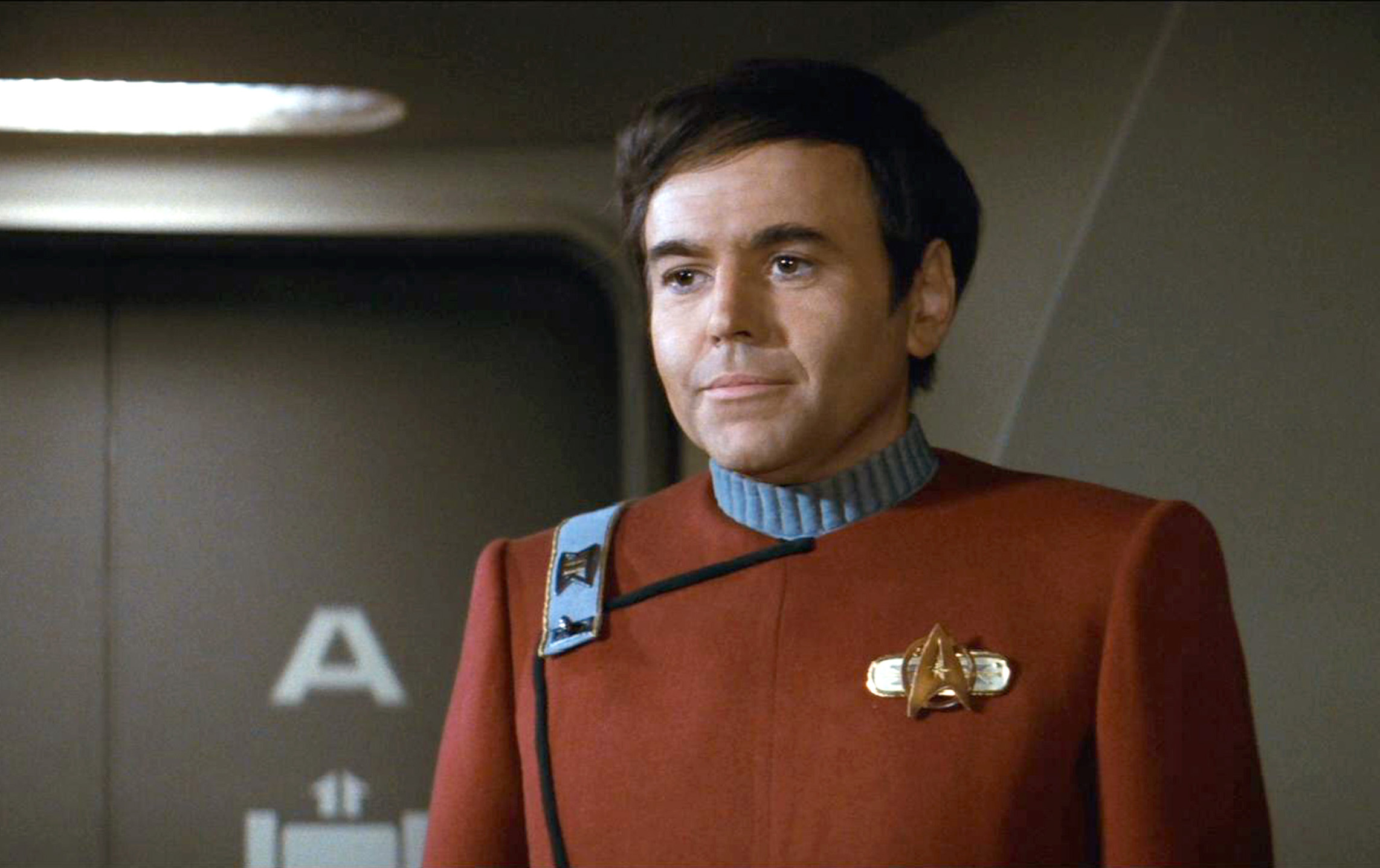
Mister Chekov has left the bridge. Walter Koenig, who has played Security Officer Pavel Chekov of the USS Enterprise since Star Trek ‘s second season in 1967, has died at the age of 90. He leaves behind a legacy that includes appearances in Babylon 5 and movies such as Moontrap , as well as work in comics. But he will forever be best known for his work on Star Trek , appearing in the Original Series and the movies about that crew, as well as various video games and spinoffs. Koenig even appeared in the final season of Star Trek: Picard as Pavel’s descendent, President Anton Chekov. Clearly, Star Trek was important for Koenig. What’s less discussed, however, is how important Koenig was for Star Trek. The introduction of Pavel Chekov revealed a strategy on the part of creator Gene Roddenberry , one that not only shaped the show in its own time, but set the forward-thinking path the franchise would continue to follow to this day. With its bright pastel colors and miniskirts, Star Trek always had a certain hipness to it. But it also had to deal with a certain amount of drabness baked into the premise. The most passionate character was Dr. McCoy, a grizzled frontier physician played by a veteran character actor. The breakout character is a stoic alien, modeled in part on Berkley police chief William H. Parker. Even hero James T. Kirk had too much classical theatricality to be the voice of a new generation. No, Star Trek didn’t really get hip until its second season when a young mop-top appeared on the bridge. Roddenberry explicitly wanted to add “a young, irreverent, English-accent ‘Beatle’ type” to the show, because of Star Trek’ s “teenage audience” and out of awareness “current trends.” Moreover, Chekov was explicitly a Russian, flying in the face of the Cold War fears of the time. Yes, the Klingons and Romulans may have represented elements of the Communist threat that the United States faced. But in the reality of the series, humanity had overcome its divisions and prejudice, and Chekov was the proof. Which isn’t to say that Chekov didn’t indulge in some nationalism. Throughout the series, Chekov would erroneously claim some antiquated Earth tradition, one very familiar to the viewing audience, as of Russian origin. In season 2’s “The Apple,” for example, Chekov claimed that the Garden of Eden was originally located near Moscow, setting his homeland as the birthplace of humanity. Yet, at the same time, Chekov put his allegiances to his fellow Starfleet officers first, as when he almost punches the Klingon Korax for insulting Kirk in “The Trouble With Tribbles.” In short, Chekov represented the next generation in the first generation of Star Trek . It was the show’s attempt to show off its hipness and forward-thinking. But it only worked because of Koenig’s performance. He threw himself into being the Davey Jones of the Enterprise , certainly an easy ask of any young man on television at the time. But when Chekov matured and good looks weren’t enough, Koenig kept bringing a sense of humor to the part, most famously with the “nuclear wessels” running gag in Star Trek IV: The Voyage Home . However, Chekov’s greatest legacy may be in the way he established a model for the rest of the series. Star Trek has often tried to include a young, hip person intended to appeal to the youth. The ’90s versions weren’t always successful—it’s hard to call Will Crusher , Jake Sisko , or even Tom Paris particularly hip, despite that last one’s love of sci-fi and hot rods. Despite all the grouching around Star Trek: Starfleet Academy , it’s clear that modern Trek was doing what it has always done, showing awareness of modern trends and the desires of its teenage audience. Regardless of one’s feelings about postmodern gags in Lower Decks or the animated adventure of Prodigy , whatever today’s fans feel about the romantic drama of Starfleet Academy or name-dropping Elon Musk in Discovery , those shows aren’t doing anything new. They’re following in the path that the franchise set out long ago, a path first traveled by Pavel Chekov. The post Walter Koenig Set the Path for the Future of Star Trek appeared first on Den of Geek .
This article is sourced from Den of Geek. For the full story:
Read full article on Den of Geek →