CIFF 2026: Saints, A Common Story, The Riverbank
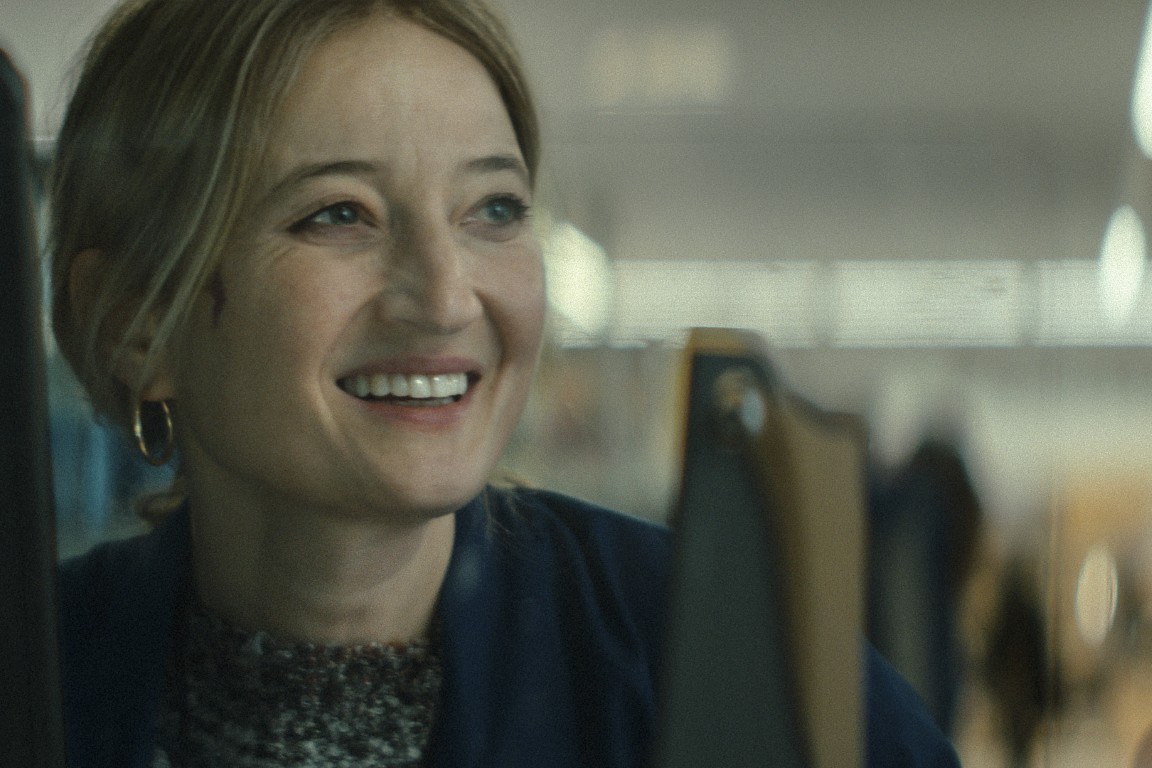
The Chicago International Film Festival (CIFF) quietly keeps a finger on the pulse of the year’s buzziest titles, but its programmers also seek new voices at the local, national, and international levels. The New Directors Competition is specifically curated to bring films to U.S. audiences for the first time. Of the 13 features in this year’s slate, more than half are women-centered, and several titles overlap with other festival categories that emphasize diverse voices. Passion shines through the imperfections, and these new directors and first-time filmmakers thread their stories together with the personal experience embedded in each work. Being bad can feel so good. For some, a five-finger discount is a life motto. For Eulalia (Victoria Luengo), acquiring new things through unconventional means is a thrilling escape. In “Saints,” Lali drifts into a serious family situation and must return home to care for her mother (Ariadna Gil). During their first hospital visit, Lali’s mother asks her to go to the chapel to pray. In this unfamiliar place, a surprise catharsis occurs; very early in the film, it establishes Lali’s personal frustration with things beyond her mother’s illness. Even more surprisingly, she dares to steal one of the divinity statues, perhaps one of the most sacrilegious acts one can commit. When she visits a local antiques dealer to pawn the piece, the people she meets completely change how she copes with what’s going on. First-time director Mikel Gurrea has posed parallel stories, putting the main character at the center of both. The comedic concept of stealing and reselling religious relics balances the drama and grief that comes with aiding a sick parent. “I don’t know how to handle this,” she confesses to Rosario (Eulalia Ramon), the older woman she befriends as they dabble in rebellion together. Guerrea explores Lali’s feelings through confident visual and literal language. One scene that resonates with this dance is when Lali and crew walk through an active gymnasium, and she stops to practice on the beam, swaying back and forth to keep from falling. This balancing act is simple yet symbolic; what she carries doesn’t stifle her playful nature. Framing “Saints” as a heist movie expands the genre’s possibilities, à la “Die Hard” as a Christmas movie. Unlike the “Ocean’s” franchise, “Saints” simmers with the emotional and ethical weight of what they’re doing. CIFF smartly, yet generously, places “Saints” in conversation with “La Chimera.” The percussion-forward, church-bell score builds tension, letting the audience know that time is of the essence. As the title suggests, “A Common Story” is nothing new. A mother and father send their only daughter off to school, becoming empty nesters, and their bond is no longer the same. This narrative echoes “Marriage Story” in all its iterations, but first-time writer-director Anna Foglietta stumbles slightly in offering a fresh perspective. “A Common Story” never shows its audience the lives of Erika (Alba Roherwacher) and Mauro (Guido Caprino) while their daughter, Irene, still lived with them, but when they return to their home and their routine, each scene feels stale, signaling that something (beyond their child) is missing. Foglietta’s screenplay is strengthened by Roherwacher’s and Caprino’s performances. Together, they bring a meditative yet temperamental persona to their characters. The story suggests that the cracks in their relationship come from their own personal shortcomings. By the end, the film names the problem so explicitly and repeats it so often that it feels unoriginal. Every conversation goes a bit too far, digging a bit too deep; the story is strongest because of these cruel comments. The actor-turned-director dares to take chances with techniques that ultimately aren’t necessary. In building these disconnected dynamics, the camera also creates some confusion. Off-putting crash zooms and split-diopter segments are visually jarring and add little to the film’s visual language. However, when the camera is stationary, it allows Foglietta’s direction to breathe. Paired with the cozy production design, the repeated images of people gathering around meals create a sense of closeness. Contradicting the care that comes with nourishing oneself alongside loved ones, these conversations create chaos and discomfort. Although the resolution leaves us a bit unconvinced, “A Common Story” lingers in its ambiguity. Under the moon and streetlamp-lit mangroves, Recife (Caique Copque) encounters the mysterious Jeremias (Italo Martins). Their affair in the shadows glows with grit but never sees the light of day. Set in Brazil, “The Riverbank,” directed by the duo Matheus Farias and Enock Carvalho, is socially and politically grand while retaining a nighttime aesthetic that layers its themes. As Recife visits Jeremias by the river, they’re illuminated and notably dewy; soon, a series of murders in the mangroves threatens their time together. Recife spends his day cleaning, and after some voyeuristic tendencies, he’s placed at a new job site: an Evangelical group set on helping others find God. Despite the drab, oppressive nature of his work, Recife finds relief with his roommates and friends, pursuing joy by dancing, partying, and looking out for one another. The way “The Riverbank” prioritizes this positivity is pivotal to the story’s overall resonance; in some ways, it reflects the resilience of queer pride, and in others, it meets the enemy with the same energy. Bathed in the beauty of every blue hue, “The Riverbank” boldly plays with color and light to conjure spirituality from both sides of the spectrum. The mythical moments by the river and the mass baptism ceremonies reflect the power and palette of flowing water. Although it’s clear the film doesn’t side with the self-righteous religious group, this visual choice is intentional and adds eeriness.
This article is sourced from Roger Ebert. For the full story:
Read full article on Roger Ebert →